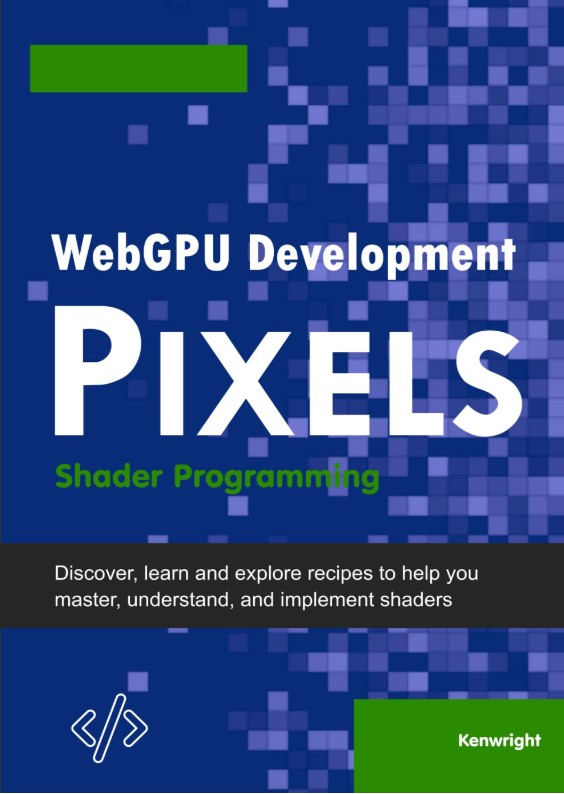
An transformative journey into webgpu, "WebGPU Development Pixels: Shader Programming (Paperback)" explores its profound influence on the technological evolution. With clarity and enthusiasm, this essential read delivers fresh perspectives and actionable insights that inspire curiosity and spark meaningful progress.
With a strong emphasis on real-world relevance, "WebGPU Development Pixels: Shader Programming (Paperback)" equips readers with tools and insights to thrive in today's fast-evolving landscape of programming. The author's passion for the subject shines through every chapter, offering readers a refreshing mix of technical rigor and creative inspiration. Readers will find themselves motivated by the book’s clear explanations, thoughtful examples, and forward-thinking perspective.
This book completely reshaped my understanding of webgpu. The author's innovative and hands-on approach makes learning feel effortless and exciting.
This book is more than a read—it’s a catalyst for growth. I feel energized and equipped to take action.
Great point! I especially appreciated the chapter on implementation strategies—it offered clear, actionable steps I could use immediately.
February 14, 2026I appreciated the way each chapter ended with reflection prompts—it encouraged me to apply what I learned right away.
February 2, 2026
The balance between rigorous research and relatable anecdotes makes this book feel both credible and deeply personal.
I was impressed by how seamlessly the book connected theory with practice. It felt like a roadmap I didn’t know I needed.
February 2, 2026I was impressed by how seamlessly the book connected theory with practice. It felt like a roadmap I didn’t know I needed.
February 3, 2026Stay updated with the latest in tech literature
When my parents died, I expected grief. I expected flowers and casseroles, sympathy cards and awkward hugs from well-meaning acquaintances. I did not ...
Read MoreEnhance your reading and learning experience
Use the Feynman Technique: teach what you learn to someone else to identify knowledge gaps.
Take brief notes after each chapter. Summarizing helps cement knowledge.
Follow the 20-20-20 rule: every 20 minutes, look at something 20 feet away for 20 seconds.
Create a dedicated reading space with good lighting and minimal distractions.
Write documentation as if the next person reading it is a violent psychopath who knows where you live.
Rubber Duck Debugging: explain your code line by line to an inanimate object.
Sarah Johnson
Professional ReviewerCouldn't agree more. The real-world examples made all the difference for me—they brought the theory to life.
February 6, 2026